



Regular curtain cleaning matters in Dubai because curtains can trap dust, allergens and pollutants in a hot, dusty climate. For most homes, cleaning every 6 months is a practical interval; homes with pets, allergies or daily air-conditioning use may need cleaning every 3-4 months. Effective curtain dust mite removal in Dubai starts with choosing a method that suits the fabric, rather than treating every curtain alike.
Curtains are easy to overlook while you focus on floors and bedding, yet their folds and linings can collect dust and grime over time. Appropriate care helps keep them clean and reduces the risk of damage from unsuitable washing or heat.
This guide explains where dust mites and dust tend to gather, what affects the cost of curtain cleaning, and how inspection, treatment, washing and thorough drying fit together. Cost depends on curtain size, fabric, condition and the cleaning method, with pricing provided after a quote request. You’ll also learn when in-situ care may suit heavy curtains and why delicate materials need a considered approach.
Key Takeaways
- Dust mites are too small to see directly, so focus on the fabric folds, linings and other areas where dust can collect.
- A HEPA-filtered vacuum can help capture dust and irritants, while steam treatment uses heat to support sanitisation.
- Fabric inspection guides the method: heavy curtains may need in-situ care, while delicate materials require gentler handling.
- For washable curtains, the wash and drying stages both matter; incorrect care can lead to shrinkage, colour changes or fabric damage.
- Compare cleaning options by the curtain material, condition and treatment method to understand what shapes the service cost.
How much does your curtains cleaning service cost?
The price depends on the case and is given after a quote request. Curtain dimensions, fabric, lining, soil level and the chosen method shape the assessment. A pair of lightweight linen panels needs different handling from floor-length blackout drapes. For curtain dust mite removal in Dubai, the first useful step is identifying the curtain construction and deciding whether it can be cleaned in place.
Professional curtain cleaning for dust mite removal begins with assessing the fabric and construction before choosing a method. A careful process addresses surface dust, folds and linings instead of applying the same treatment to every curtain. Depending on the material, cleaning may involve suitable vacuuming, steam treatment or dry cleaning.
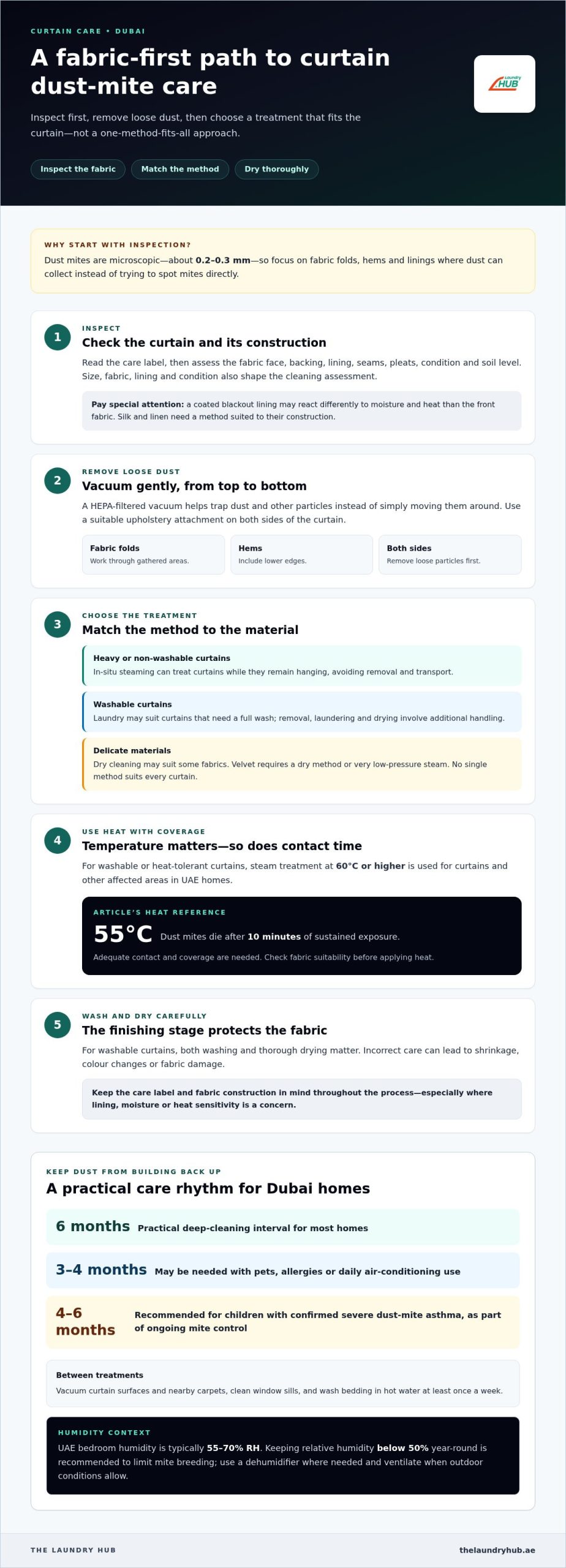
A practical assessment starts with the care label, followed by checks of the fabric face, backing, seams and pleats. This is especially important for blackout curtains, as a coated lining may react differently to moisture and heat than the front fabric. Silk and linen also need a method suited to their construction. No single cleaning method is right for every fabric.
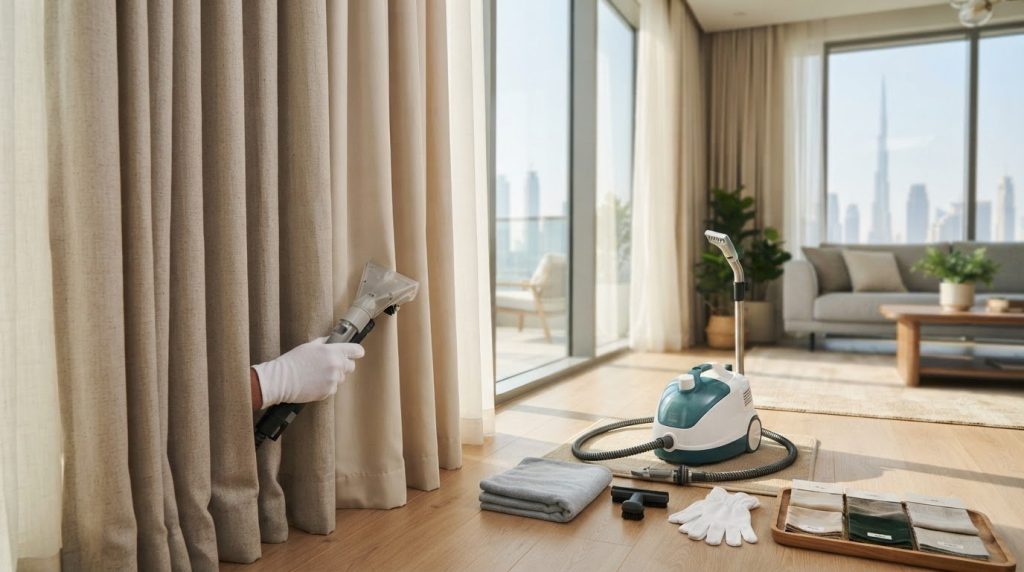
HEPA stands for High Efficiency Particulate Air. A vacuum with a HEPA filter helps trap dust and other particles instead of simply moving them around. Work from the top of the curtain down, using a suitable upholstery attachment on both sides, hems and folds. This removes loose particles before further cleaning tackles embedded soil.
For washable or heat-tolerant curtains, steam treatment at 60°C or higher is used for curtains and other affected areas in UAE homes. Dust mites die at 55°C after 10 minutes of sustained exposure, so heat needs adequate contact and coverage. On-site steam cleaning can treat curtains without taking them down, which is useful for heavy or non-washable drapes.
In-situ steaming leaves fixed or bulky curtains hanging, avoiding removal and transport. Laundry is a better fit when the fabric is washable and needs a full wash, although removal, laundering and drying involve additional handling. Steam cleaning uses heat and controlled moisture; dry cleaning is a different option for fabrics that should not undergo conventional washing. In children’s rooms, consider curtains alongside nearby surfaces.
Ask how the cleaning sequence handles dust, fabric sensitivity and drying. A HEPA vacuum before treatment reduces loose debris; targeted steam then reaches folds and other treated areas. A dry-cleaning approach may suit certain delicate materials, while velvet requires a dry method or very low-pressure steam. These distinctions make mite control more considered than choosing steam for every textile.
Why you must get your curtain cleaning in dubai regularly?
In Dubai, curtains can collect dust and other particles that affect indoor air quality. Regular cleaning helps remove settled debris and limit its buildup in the fabric.
Dust and Allergen Collection
Open windows can let outdoor dust enter, while air-conditioning moves indoor particles across rooms. Curtains catch some of this material in their folds, hems and linings. Dust mites are microscopic, measuring 0.2-0.3 mm, so you can’t reliably spot them by eye. Check the areas behind furniture and beside windows, where curtains and carpets can gather visible dust.
Dubai’s heat, humidity and frequent dust storms can make curtain care more challenging. In humid coastal areas, fabric may absorb moisture, which can contribute to mold and mildew growth. Dust and grime can also wear down fabric, causing fading and deterioration over time. A dusty curtain is more than a surface concern: its condition and the surrounding room both matter.
Particles trapped in fabric may affect indoor air quality, particularly in rooms where windows are often open or air-conditioning runs regularly. Allergy symptoms and asthma concerns vary from person to person, so curtains alone cannot explain or diagnose them. If symptoms are a concern, include curtains, carpets and other dust-collecting textiles in your home-cleaning routine.
Cleaning helps remove accumulated dust and allergens, but it works best as part of broader household care. Vacuum floors and carpet edges, clean window sills, and address curtains rather than focusing on only one surface. For children with confirmed severe dust-mite asthma, treatment every 4-6 months is recommended as part of ongoing mite control.
Preventing Dust Mite Return
To help prevent dust mites from returning in Dubai’s climate, reduce dust and manage bedroom humidity alongside curtain care. UAE bedroom humidity is typically 55-70% RH; keeping relative humidity below 50% year-round is recommended to limit mite breeding. Use a dehumidifier where needed, and ventilate rooms when outdoor conditions allow.
Cleaning frequency depends on the room and its use. Homes with pets, allergies or daily air-conditioning use may need curtain cleaning every 3-4 months; deep cleaning every 6 months is another recommended interval. Between treatments, vacuum curtain surfaces and nearby carpets, clean window sills, and wash bedding in hot water at least once a week. These steps reduce the dust and textile buildup that can support recurring mite activity.
Curtain, carpet, and rug dust mite inspection and treatment
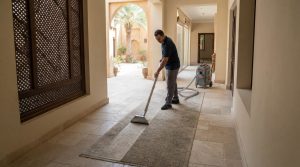
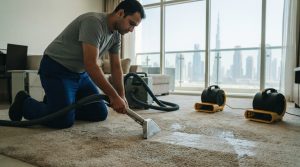
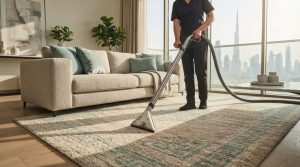
A useful treatment plan starts with assessing the room, its textiles and their condition. In Dubai homes, curtains, bedroom carpets and rugs can all collect dust. Cleaning only one surface may leave other dust-holding areas untouched.
What an inspection should cover
Start with the curtain fabric, lining, folds and attachment points, then assess carpets and rugs in the same room. Check visible soil, wear, moisture signs and care labels. Dust mites measure 0.2-0.3 mm, so an ordinary visual inspection can’t confirm their presence. Instead, inspection helps identify textile areas requiring cleaning and the methods suited to their materials.
Method selection matters. Professional cleaners assess curtain material and choose an approach suited to the fabric. Velvet needs a dry method or very low-pressure steam, while other textiles may tolerate different treatment. For carpets and rugs, consider the surface, pile and condition before choosing a method. This assessment helps determine which items can be treated in place and which need separate handling.
Residential treatment planning
For homes, treatment pricing may be organised by apartment size, from a studio through larger bedroom layouts. The price depends on the case and is given after a quote request; factors include the apartment size, textile coverage, fabric condition and treatment method. A two-bedroom home with several rugs and lined curtains has a different scope from a studio with one small carpet.
Family routines also help shape the treatment plan. Note which bedrooms children use, where pets rest, and whether bedding or carpets are close to the curtains. This helps prioritise the surfaces and textiles needing attention. Plan dust-mite treatment and cleaning across relevant areas instead of assuming that treating curtains alone addresses every dust-collecting surface.
Steam treatment at 60°C or higher is described for curtains and other affected areas in UAE homes. Heavy or non-washable curtains may be steamed in situ, while washable textiles can follow a different cleaning route. The material and its condition guide that decision. Keep treatment focused on suitable areas, and avoid applying the same process indiscriminately to every fabric.
Commercial treatment by area
Commercial treatment pricing may be structured by the area being treated, making measured floor space a key planning factor. The price depends on the case and is given after a quote request; area, textile coverage, surface condition and method affect the scope. Offices, furnished rooms and shared spaces can contain different mixes of rugs, carpets and curtains, so an area-based assessment helps define what the treatment covers.
Before arranging professional cleaning, list the rooms and textiles involved, including curtains, rugs, carpets and bedroom bedding. This inventory helps clarify the inspection and treatment plan and makes it easier to discuss the scope of residential or commercial cleaning in Dubai.
Curtain washing and high-heat tumble drying
For washable curtains, washing and drying are separate parts of dust-mite care. A recommended method is high-heat tumble drying at 60°C or higher for 60 minutes after washing. This step suits only curtains that can tolerate that temperature. Fabric type, lining and construction should guide the process, since incorrect washing can cause shrinkage, discoloration or other damage.
Check the fabric before washing
Before washing, identify the curtain fabric and read its care instructions. Blackout curtains, lined panels and lightweight linen can react differently to water and heat. Check seams, hems and backing for wear, then choose a method suited to the whole curtain, not just its visible front. A washable panel may be suitable for laundry, while a delicate or non-washable drape needs another approach.
Remove loose dust before washing. Vacuum both sides, working from top to bottom and paying attention to pleats, hems and folds. This lifts surface debris that might otherwise remain in the fabric during washing. If curtains hang near upholstered furniture, vacuum nearby surfaces too, so loosened dust does not settle around the cleaned textile.
Wash and dry with care
For curtains suitable for machine washing, use a cycle and handling method appropriate to their fabric. Avoid overloading the machine, since crowded panels may not move freely through the wash. After washing, high-heat tumble drying at 60°C or higher for 60 minutes is recommended for washable curtains. Heat exposure helps address dust mites, but it must suit the textile’s care requirements.
Not every curtain is suitable for a high-heat dryer. After cleaning, shade-dry curtains thoroughly to help prevent shrinkage and colour fading. This may suit materials that should not be exposed to dryer heat. Make sure each panel dries fully before rehanging; moisture can linger in folds even when the outer surface feels dry, especially in a humid room.
Deep cleaning also depends on what the fabric can safely withstand. Steam cleaning or dry cleaning may suit curtains that cannot be machine washed, while washable curtains can be laundered and dried according to their care instructions. Velvet needs a dry method or very low-pressure steam. These approaches are not interchangeable: a method that works for one material may damage another.
Keep the sequence consistent: vacuum first, wash only suitable curtains, then dry thoroughly using a compatible method. Use the 60°C and 60-minute tumble-drying recommendation only when the fabric can tolerate it. For other curtains, shade drying helps reduce shrinkage and fading. This fabric-led approach supports cleaning without treating every drape in the same way.
How do you remove dust mites from curtains effectively?
Use a fabric-led sequence: remove loose dust, choose a suitable treatment, then dry the curtains thoroughly. Dust mites die at 55°C after 10 minutes of sustained exposure, so heat needs consistent contact with the material. For Dubai homes, steam treatment at 60°C or higher is used on curtains and other affected areas. Fabric sensitivity still determines whether steam, washing or dry cleaning fits.
Follow these practical steps to clean curtains without spreading dust or overlooking folds:
- Prepare the area. Move nearby objects and inspect the curtain’s care label, seams and lining. Separate delicate or coated panels from washable curtains before choosing a method.
- Vacuum carefully. Use a vacuum with a High Efficiency Particulate Air (HEPA) filter. Work top to bottom on both sides, including pleats, hems and folds, to capture loose dust and irritants.
- Treat suitable fabric. Apply steam evenly across the curtain, paying attention to fabric folds. Steam cleaning or dry cleaning can address deep-seated dirt and allergens, depending on the material.
- Wash and dry washable panels. After washing, high-heat tumble drying at 60°C or higher for 60 minutes is recommended. Use this only for fabric that can tolerate the heat; otherwise, dry thoroughly in the shade.
- Clean surrounding surfaces. Wipe nearby window sills with a damp cloth soaked in hot water instead of dry dusting. Vacuum adjacent carpets and upholstered furniture so loose particles aren’t simply left in the room.
Heavy or non-washable curtains can be steamed in place, avoiding removal and transport. Velvet needs a dry method or very low-pressure steam, as standard steam can crush its pile and leave permanent marks. Silk, blackout and linen also require fabric-specific handling. Check the construction and lining before applying moisture or heat; a method suited to one panel may harm another.
After cleaning, pull curtains back occasionally and open windows when conditions allow sunlight into the room. Keep bedroom relative humidity below 50% year-round to limit dust mite breeding. In the first 30 days after treatment, vacuum the bedroom carpet and mattress every 3 days, following the recommended maintenance schedule. Continue routine cleaning of nearby surfaces and bedding to reduce the dust that can settle back onto curtains.
For fabric-sensitive or heavy window coverings, arrange professional curtain cleaning using a method suited to the textile. Careful treatment and complete drying help maintain the fabric while addressing dust and allergens.
The Laundry Hub: Laundry and Dry Cleaning
The Laundry Hub provides curtain and carpet cleaning for household textiles that need careful attention in Dubai. Consider this service when curtains are heavily soiled, difficult to manage at home or unsuitable for routine washing. The right method depends on the fabric, lining and condition. Laundry & Dry Cleaning is also available for other washable or dry-clean-only items. For a coordinated approach to household and personal care, The Laundry Hub also offers Steam Pressing and Shoe & Bag Care.
Contact The Laundry Hub to discuss curtain or carpet cleaning in Dubai.
Make curtain care part of your home routine
A more comfortable home starts with a routine you can maintain. Choose a cleaning schedule that reflects how each room is used, and match fabric care to the curtain’s material and condition. For curtain dust mite removal in Dubai, treat curtain care as part of the wider upkeep of household textiles, not an isolated task.
The Laundry Hub offers curtain and carpet cleaning alongside Laundry & Dry Cleaning and Shoe & Bag Care. These services support care for household textiles and personal items through one provider. If your curtains need professional attention, share their fabric and lining details when you contact The Laundry Hub. This helps focus the discussion on the items that need care.
Take the next step at a pace that suits your home. Contact The Laundry Hub to discuss curtain and carpet cleaning, and move toward a cleaner, more considered home-care routine.
Frequently Asked Questions
What Are Dust Mites and Why Do They Matter?
Dust mites are microscopic organisms that live in household dust and textiles. In curtains, folds and linings can hold the dust where they gather, even when the fabric looks clean. They matter because their allergens can affect people with sensitivities. A practical first step is to include curtains alongside bedding, carpets and upholstered furniture in the room’s cleaning plan.
Why Choose Professional Cleaning Over DIY Methods?
Professional cleaning matches the process to the curtain’s fabric, lining and condition. At home, a wash cycle or steam setting may be unsuitable for delicate or coated materials. Velvet, for example, needs a dry method or very low-pressure steam. DIY vacuuming can remove loose dust, but a fabric-specific assessment helps guide deeper care without treating every curtain alike.
Can curtains be washed to kill dust mites, and at what temperature?
Yes, washable curtains can be washed, but check their care instructions first. Dust mites die at 55°C after 10 minutes of sustained exposure. The fabric must tolerate the temperature and washing process; otherwise, heat or water may damage it. For washable curtains, high-heat tumble drying at 60°C or higher for 60 minutes after washing is also recommended.
Does steam cleaning kill dust mites in curtains?
Steam can support dust-mite treatment when it delivers sustained heat across the fabric. Dust mites die at 55°C after 10 minutes of sustained exposure, while steam treatment at 60°C or higher is used for curtains and affected areas in UAE homes. Coverage matters: folds and pleats need attention, and the method must suit the curtain material to avoid damage.
How often should curtains be cleaned to reduce dust mites?
Cleaning every 6 months is a useful interval for many Dubai homes. Homes with pets, allergies or daily air-conditioning use may need cleaning every 3-4 months. Rather than waiting for visible dust, consider the room’s use, fabric condition and household sensitivities when planning care. Regular vacuuming between deeper cleans can also address loose particles on the curtain surface.
How much does curtain cleaning cost in Dubai?
The cleaning scope depends on the case. Curtain dimensions, fabric, lining, condition and method all matter. To make an enquiry more useful, note the number of panels, whether they are lined, and any delicate materials or visible marks. A large lined drape may need different handling from a lightweight, washable panel.
Do Dubai curtain cleaners offer on-site steam cleaning or take-down and rehang service?
On-site steaming can suit heavy or non-washable curtains because the panels stay hanging during treatment. Taking curtains down and rehanging them are separate handling steps, not automatic parts of steam cleaning. The right approach depends on whether the textile can be treated in place or needs laundry handling. For example, a fixed, heavy drape may be steamed without removal.
Are dust mite removal treatments safe for children, pets, and people with allergies?
Suitability depends on the treatment method, fabric and products used. Heat-based steam and dry-cleaning processes differ, so there is no blanket safety answer for every home. For a child’s bedroom, identify the curtain material and treatment approach before cleaning begins. People with allergies should also consider carpets, bedding and other dust-collecting textiles in the room.
